
A Visit To LA
City of Broken Dreams

Dear Friends,
Last weekend my wife and I drove down to LA from Santa Barbara to attend a performance of the NY City Ballet and to visit the recently re-opened Los Angeles County Museum of Art. We were reminded why we decided six years ago to leave the city.
We took the coast route, driving through Malibu on Pacific Coast Highway, because we wanted to view the ruins of the 2025 Palisades Fire. Below the Malibu pier a scene of devastation unfolded—mile after mile of charred foundations where multi-million dollar beach houses had once blocked access to the beach and the ocean. Nature had brutally recovered what should have been public land. Just before Tuna Canyon we drove past the empty lot that had been the site of a one bedroom beach cottage I had rented in 1972. Not a trace of it remained.
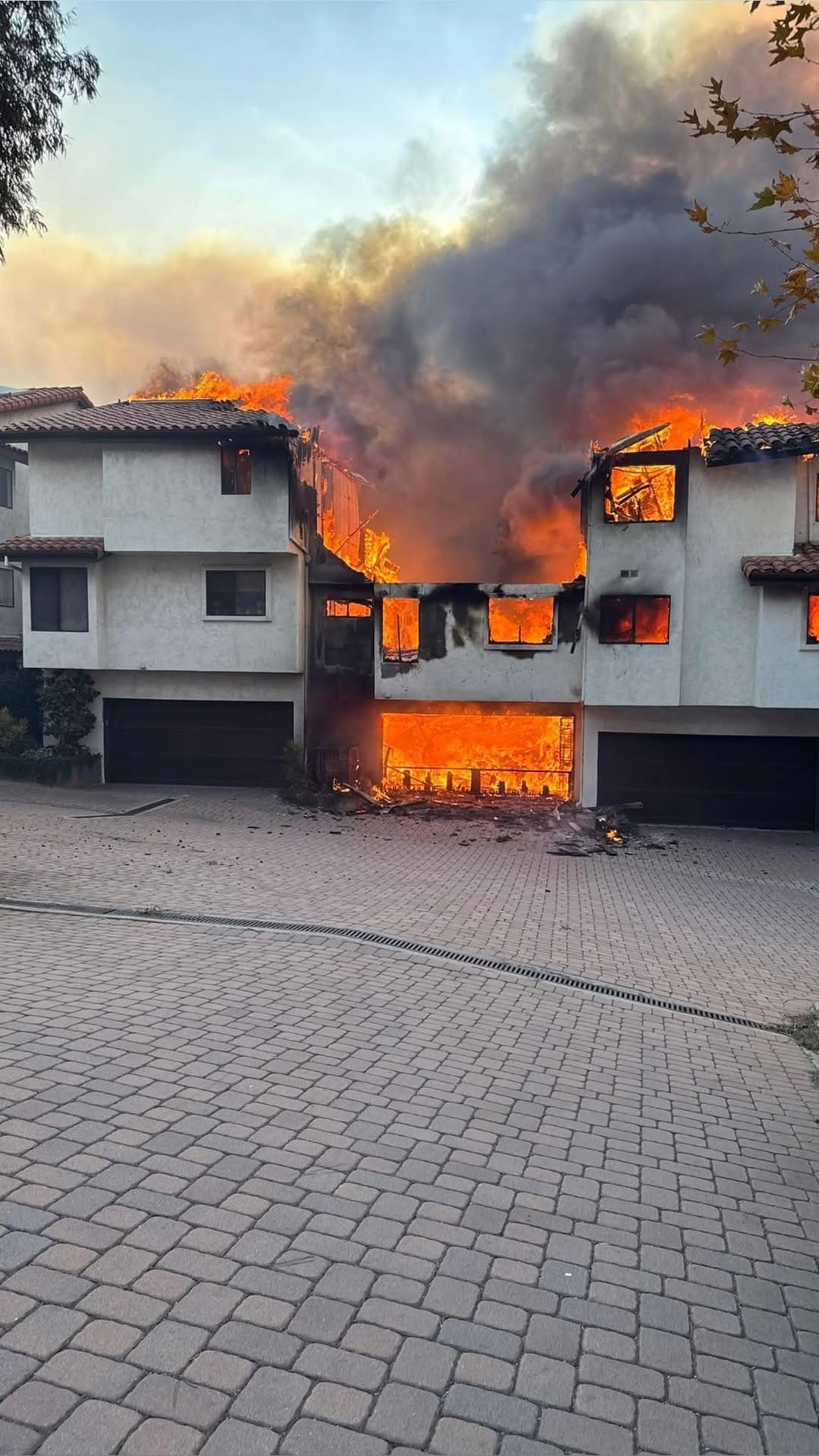
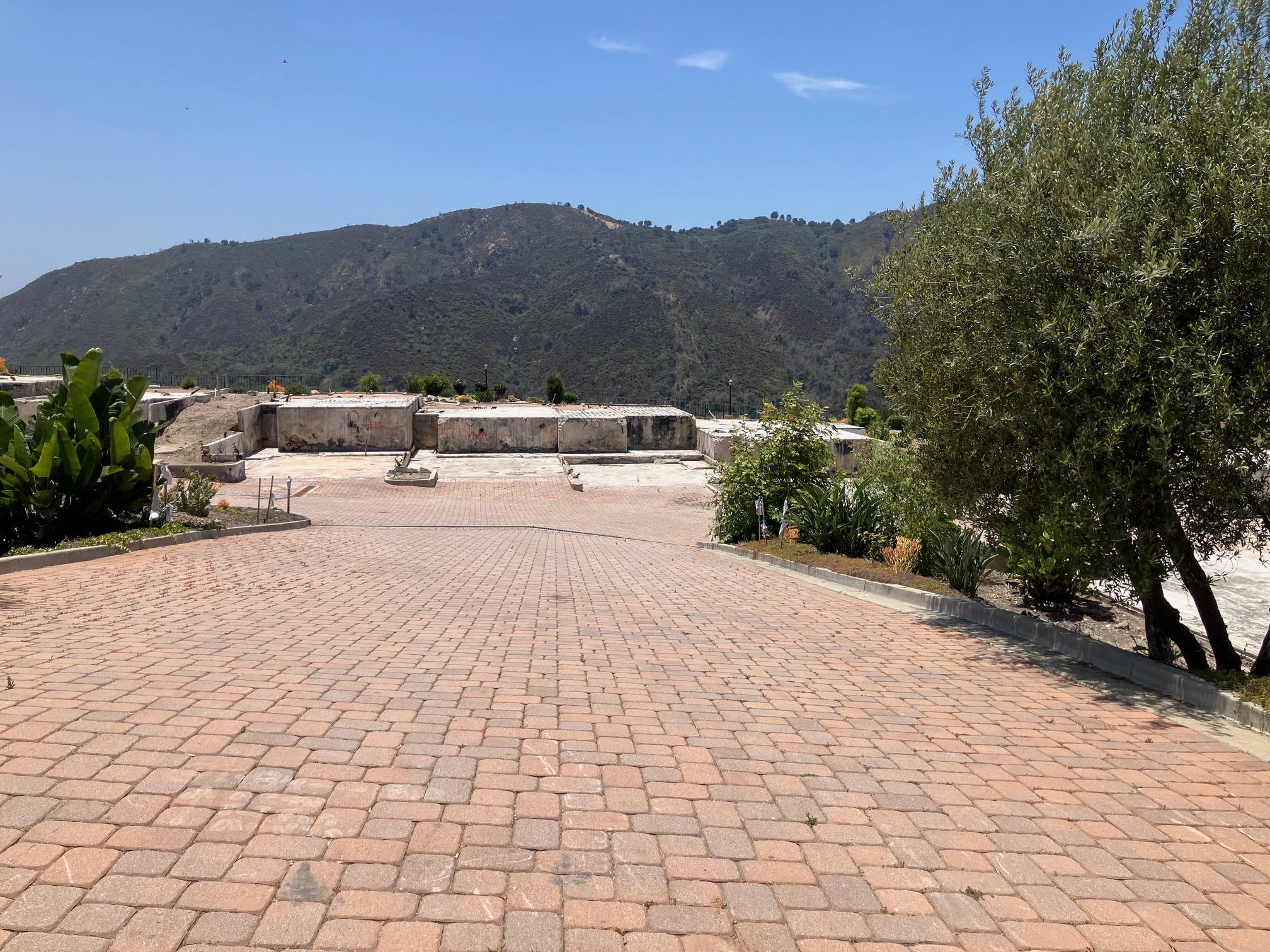
We turned up Sunset Boulevard and drove into the Palisades Highlands, where we had lived for 23 years and where the Palisades Fire started. Our town home complex—Palisades Villas—had been destroyed in the fire, four and a half years after we sold our unit. A screened chain link fence surrounded the property. We peered through an opening down the driveway towards the concrete stump that was all that remained of our former home.
We had a lunch date with friends who had lost their home in the fire. They were living in a rented two bedroom apartment on the 15th floor of a high rise in Ocean Park while they rebuilt their house. Talking with them about their loss—they had evacuated with almost no belongings because they thought the fire would bypass their house—we learned the stages of trauma that follow when you lose the material shell that gives shape and meaning to your life—your family mementos, your clothing, your furniture—all the things that give your life a foundation of familiarity and memory. The condition is not unlike that of an incarcerated person who lives in an environment devoid of personal meaning—a limbo. Our friends’ rented ($10K/mo.) apartment had glorious views of the Malibu coastline and the San Gabriel Mountains, but it felt like a hotel room—a temporary abode, soulless. They hope to be back in their rebuilt house in a year.
We headed downtown to our hotel near the Music Center. GPS told us it was a twelve mile trip and estimated our fastest drive time at one hour and twenty minutes. It routed us through a maze of surface streets to an on-ramp of the 10 freeway East. Traffic was choked, a solid mass of cars and trucks that crawled along at an average speed of 8 mph. Six years ago we had concluded that traffic congestion in Los Angeles had made the city uninhabitable and we abandoned it after 60 years of residency.
Culturally, though, Los Angeles was vital. The ballet—an import from New York—was spectacular in all its aspects—the choreography, the costumes, the lighting, the music, and especially the dancers. The audience sat spellbound, thrilled by the beauty in the hall. Watching it energized me, and I had trouble falling asleep. Outside our sixth floor hotel window the night city moaned, screamed, and growled with the sounds of traffic on the streets. Drunken revelers passed below us on the sidewalk. I took a sleeping pill and put in ear plugs.
Next morning, after breakfast and check-out, we drove to LACMA and parked ($23). The new museum is a concrete slab shaped like a boomerang. It rests on thick concrete legs and has the feel of an airport terminal—cold, austere, impersonal. But inside is a marvelous world of art and global cultural history splendidly displayed. The museum’s collections are organized geographically and thematically, creating a flow of time and space that harmonizes with the flow of the building. One wanders from gallery to gallery and room to room in a state of constantly renewing wonder at mankind’s astonishing diversity and creativity. I don’t recall ever being so profoundly affected by a museum visit.
Sated after two hours of meandering we headed back to sleepy Santa Barbara, where a ten minute drive gets you nearly anywhere you want to go in town (Pop. 90,000). We took the 101 North out of Malibu Canyon so we could make a shopping stop at Nordstrom in Thousand Oaks. My wife wanted to try on some new shoes.
Living in the age of online shopping, I had forgotten how pleasant it can be to shop for clothes in a well-stocked department store attended by salespeople. My wife vanished into the shoe department and to kill time I strolled around men’s casual wear. A friendly sales woman asked if I was looking for anything specific, and left me alone when I told her I was just browsing. I headed for the discount racks and found a lime green wool T-shirt from Boss that was my size. The sales woman suggested I try it on and led me to a dressing room. As soon as I felt the soft wool against my skin I was a customer. Nothing like human connection and sensory pleasure to make you feel alive and cared for, an experience that cannot be approximated scrolling through merchandise on your iPad.
We got back to Santa Barbara in the late afternoon and I took a nap.
Arthur
www.arthurhoyle.com
During the years my wife and I regularly drove up the coast route to the Bay Area and points north, we'd talk about moving to Santa Barbara, or San Luis Obispo, or Monterey, or whatever idyllic city (compared to L.A.) we were passing through. But here we are, in the same city, the same Venice house we've owned for forty years, and unlikely to go anywhere before we're carried through the door feet first.
Still here, still loving the crazy juxtaposition of cutural beauty of many kinds and heartbreaking challenges. Bruce and I on the couch right now recovering from a brunch with friends in Studio City followed by a visit to The Broad with free 4th of July entrance to the Yoko Ono interactive exhibit (the only thing we needed to see and we ran into old friends so shared a bit of it with them). Then a spontaneous decision to check out the 4th of July celebration that was just getting underway in Gloria Molina Park. High security and excellent vibes, and only 24 minutes for the drive home!